




OSAT Semiconductor Testing for the Medical Industry
Semiconductor devices are at the core of today’s medical technologies—from implantable cardiac devices and imaging systems to diagnostics and patient monitoring equipment. In these applications, performance isn’t just a specification—it directly impacts patient safety, clinical accuracy, and regulatory approval. As devices become smaller, more complex, and more connected, the need for rigorous semiconductor testing has grown significantly. Comprehensive electrical, environmental, and reliability testing ensures components operate consistently under real-world conditions, meet strict quality and compliance standards, and perform reliably over extended lifecycles. For medical device manufacturers, robust semiconductor testing is essential to delivering safe, effective, and trusted healthcare solutions.
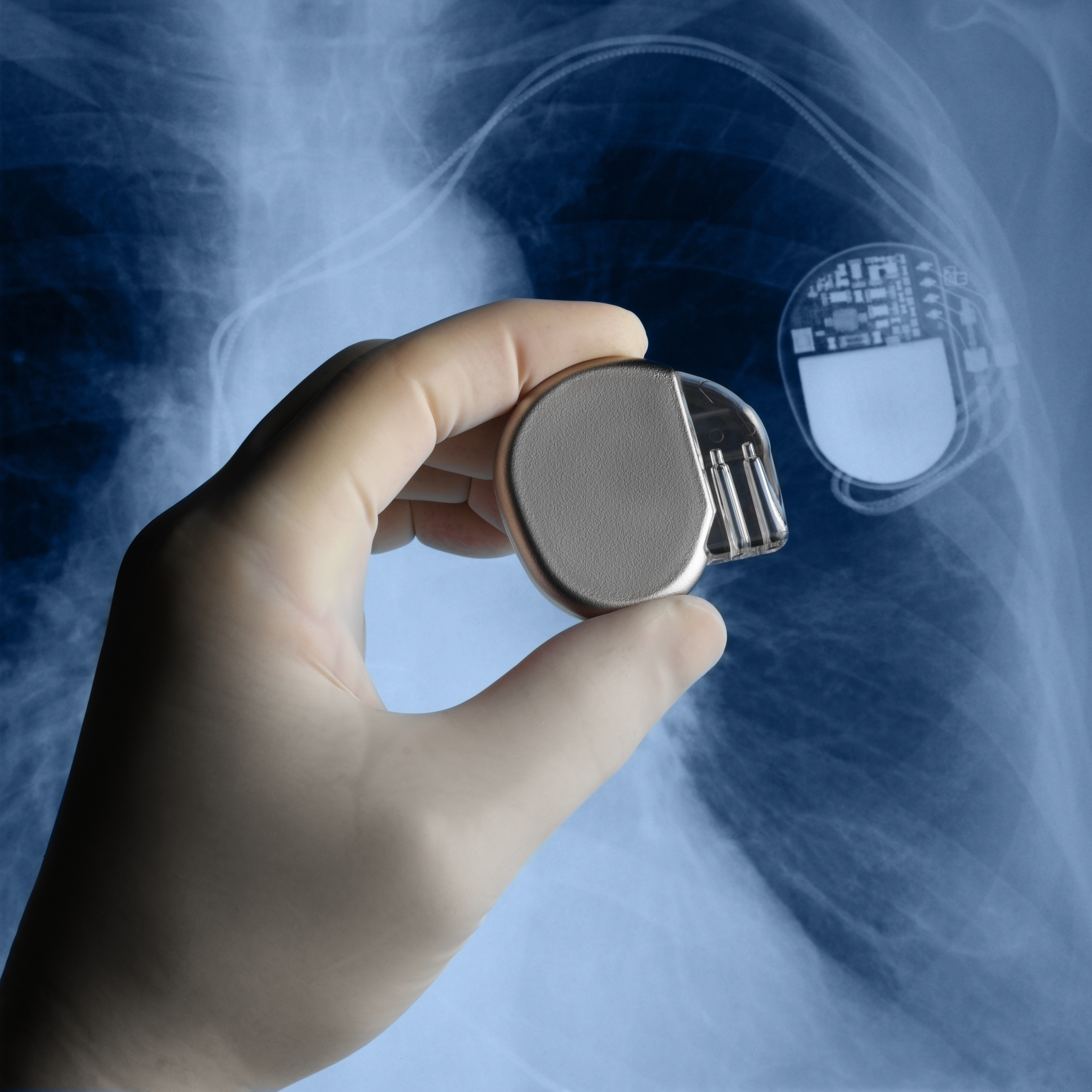
Why is semiconductor testing especially critical for medical devices?
Medical devices often operate in life-critical environments where failure is not an option. Semiconductor testing ensures devices perform reliably under all specified conditions, including temperature, voltage, and long-term use. For implantable or diagnostic systems, even minor defects can lead to inaccurate readings or device malfunction, making rigorous testing essential for patient safety and regulatory compliance.
How do OSAT providers support medical device manufacturers?
OSAT providers deliver specialized capabilities in assembly, packaging, and electrical testing that are critical for medical applications. They help manufacturers scale production while maintaining strict quality standards, offering expertise in handling sensitive devices, miniaturized components, and complex packaging technologies used in medical electronics.
What types of testing are required for medical semiconductors?
Medical-grade semiconductors undergo a wide range of tests, including:
- Functional and parametric testing
- Reliability and life testing (HTOL, temperature cycling, humidity)
- Burn-in and stress screening
- Failure analysis and qualification testing
These tests ensure devices meet performance requirements over their intended lifecycle, often under harsh or variable operating conditions.
What quality standards apply to semiconductor testing for medical applications?
Medical semiconductor testing must align with strict regulatory and quality frameworks, including:
- ISO 13485 (medical device quality management)
- ISO 9001
- IEC and FDA requirements (depending on application)
OSAT providers supporting medical customers must demonstrate strong traceability, documentation, process control, and risk management practices.
How does traceability impact medical semiconductor testing?
Traceability is essential in the medical industry to track every component back to its origin, including materials, processes, and test results. In the event of a failure or recall, complete traceability enables rapid root cause analysis and corrective action, minimizing risk to patients and ensuring regulatory compliance.
What role does reliability testing play in medical applications?
Reliability testing validates that semiconductor devices will perform consistently over time, often for years or even decades. This is especially important for implantable devices and long-life medical equipment, where replacement is costly or invasive. OSAT providers conduct accelerated life testing to simulate long-term use and identify potential failure mechanisms early.
How do OSAT providers handle sensitive or miniaturized medical devices?
Medical electronics often require advanced packaging such as wafer-level packaging, chip-scale packages, or multi-chip modules. OSAT providers offer precision handling, cleanroom environments, and specialized processes to ensure device integrity, particularly for small, high-density, or biocompatible components.
Why is working with an experienced OSAT provider important for medical programs?
Medical semiconductor programs require a deep understanding of regulatory requirements, risk mitigation, and quality assurance. Experienced OSAT providers bring proven processes, validated test methods, and a culture of quality that helps ensure compliance, reduce development risk, and accelerate time-to-market.
What should companies look for in an OSAT partner for medical applications?
Key considerations include:
- Proven experience in medical or high-reliability markets
- Strong quality management systems and certifications
- Advanced testing and packaging capabilities
- Robust traceability and documentation
- Ability to scale from prototype to production
As medical devices continue to evolve toward greater complexity and miniaturization, the role of a qualified OSAT partner becomes increasingly important. From ensuring reliability and regulatory compliance to enabling advanced packaging and scalable production, semiconductor testing is a foundational element in delivering safe and effective medical technologies.